Avoid hidden rubbish removal charges Kingston council rules
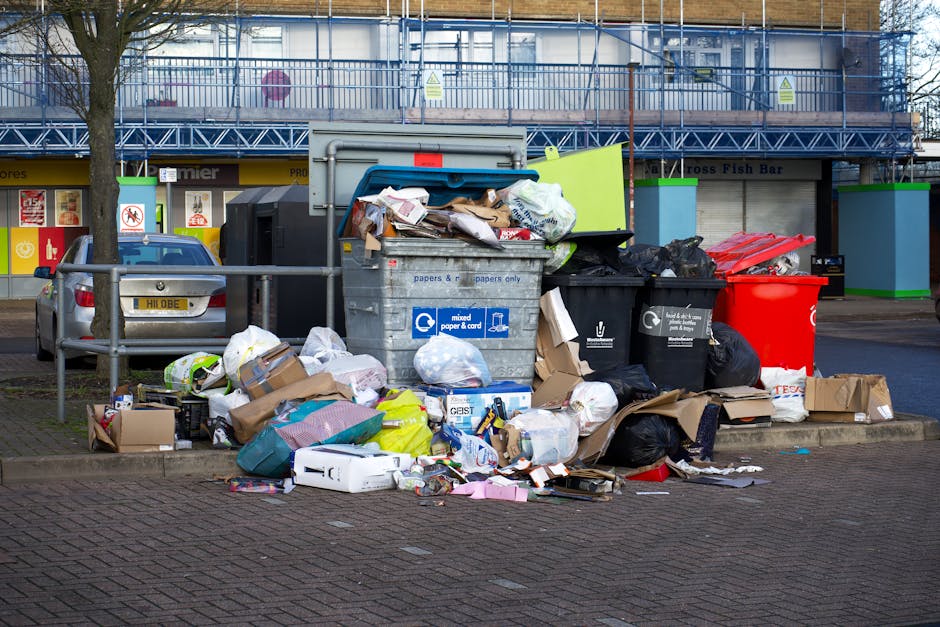
If you have ever booked rubbish removal and then watched the price creep up at the last minute, you will know how frustrating it feels. In Kingston, those surprises often come from missed permit costs, unclear access issues, extra labour, or waste that was not described properly from the start. This guide on Avoid hidden rubbish removal charges Kingston council rules breaks the process down in plain English so you can compare quotes properly, understand what Kingston council rules may affect the job, and avoid paying for vague add-ons you never agreed to.
Truth be told, most hidden charges are not mysterious. They usually appear because the service was quoted before the provider knew the full story. A narrow street, a permit requirement, a heavy item, a last-floor flat, mixed waste, or a same-day request can all change the real cost. The good news? Once you know where the extra charges usually hide, you can spot them quickly and push for a cleaner, fairer quote. Let's get into it.
Why Avoid hidden rubbish removal charges Kingston council rules Matters
Hidden charges are more than an annoyance. They can turn a simple clear-out into a stressful, expensive job that eats into your budget fast. In a place like Kingston, where access can be tight, parking is often awkward, and different streets bring different loading or permit challenges, the final bill can rise if the quote was only based on a quick glance.
That matters because rubbish removal is rarely a luxury. People book it after a renovation, a move, a garden refresh, a loft clear-out, or that awkward phase where the garage has somehow become a storage unit for things nobody wants but everyone is still strangely attached to. If you are already spending money to get rid of waste, the last thing you need is a bill padded with unclear extras.
Kingston council rules can affect how waste is handled, where it can be placed, and whether a skip or vehicle needs a permit. If someone ignores those rules or fails to mention them, you may still end up paying for the consequences. And no, "surprise admin fee" is not anyone's favourite phrase.
A careful approach gives you three things: price clarity, legal peace of mind, and better service. It also helps you compare like with like, which is where many people get caught out. One company looks cheaper until the permit, labour uplift, restricted access charge, or waste-type surcharge appears. Then the cheap quote is not cheap anymore.
Expert summary: The safest way to avoid hidden rubbish removal charges in Kingston is to confirm the waste type, access conditions, permit responsibility, labour expectations, and disposal method before you book. Clear details up front almost always save money later.
How Avoid hidden rubbish removal charges Kingston council rules Works
At a practical level, avoiding hidden charges is about matching the quote to the real job. A provider estimates the price based on what you tell them, then adjusts if the waste volume, item type, access, timing, or council requirements are different on collection day. That adjustment may be fair, but it should never feel sneaky.
In Kingston, the process often starts with a description of what you need removed. A good provider will ask about the kind of waste, the amount, whether it is loose or bagged, whether there are bulky items like sofas or mattresses, and whether the property is on a busy road, a narrow cul-de-sac, or an upper floor. If they do not ask, you should.
This is where council rules can come in. If a skip is needed on the public highway, a permit may be required. If the vehicle cannot safely stop close to the property, extra labour may be needed. If waste includes restricted materials, the disposal route may be different. The details matter, even if they seem boring in the moment. Boring details are exactly where money leaks out.
There is also a difference between quoted weight, volume, and time. Some rubbish removal services charge by load size; others by labour, by item, or by time on site. If you do not know which model is being used, you cannot properly compare quotes. That is how people end up thinking they found a bargain when they actually bought a problem.
Common charge points to watch
- Permit or licence costs for skips or parking-related access
- Extra labour for stairs, long carries, or awkward access
- Surcharges for heavy, bulky, or specialist waste
- Same-day or out-of-hours collection fees
- Weight over the agreed limit
- Mixed waste that changes disposal costs
- Missed collection or aborted visit fees
Sometimes the issue is simple communication. Sometimes it is a quote designed to look small at first glance. Either way, the answer is the same: ask direct questions and get a clear breakdown before anyone arrives with a van and a stopwatch.
Key Benefits and Practical Advantages
The obvious benefit is financial. If you know what is included, you are far less likely to pay for work you did not expect. But the practical advantages go beyond the invoice.
1. Better budgeting. You can plan the true cost of your clear-out instead of guessing. That helps whether you are clearing a flat, a rented property, or a building site.
2. Less stress on the day. Nobody wants a collection crew standing in the driveway saying the price is higher because the waste is heavier than described. It happens. A lot. Preparing properly avoids that awkward moment.
3. Faster decisions. Once you understand the charging structure, you can decide whether a skip, grab hire, man and van service, or booked rubbish removal is best for the job.
4. Fewer disputes. Clear terms reduce arguments about what was agreed. That is useful if you are dealing with a landlord, contractor, tenant, or office manager who needs everything documented.
5. Better compliance. When you follow Kingston council rules and standard waste-handling practice, you reduce the risk of fines, blocked access, or irresponsible disposal.
There is also a quieter benefit: confidence. Once you know the likely extras, you stop feeling at the mercy of the quote. That alone can make a big difference, especially if you are juggling a move or renovation and already have enough on your plate.
Who This Is For and When It Makes Sense
This matters for almost anyone arranging waste removal in Kingston, but it is especially useful if you are dealing with a job where the details are not straightforward.
- Homeowners clearing lofts, garages, gardens, or bulky furniture
- Renters and landlords managing end-of-tenancy waste or fly-tipped items
- Builders and trades handling renovation, demolition, or site waste
- Offices and shops clearing stock, fixtures, archives, or old equipment
- Families managing probate, downsizing, or inherited clutter
- Anyone on a tight budget who needs cost certainty before booking
It makes particular sense if access is tricky. Think top-floor flats, basement conversions, limited parking, controlled streets, or properties near busy Kingston routes where stopping space is at a premium. The quote may still be fair, but the provider needs the real picture to avoid surprises.
It also makes sense if your waste is mixed. A few bags of household rubbish are one thing. Add plasterboard, metal, mattresses, fridges, soil, paint tins, or broken bathroom fittings and the handling can change quickly. The more varied the load, the more careful you need to be.
If you are comparing local options, you might find it helpful to look at general service pages such as rubbish removal, skip hire, or man and van to see which type of collection fits your situation before you commit.
Step-by-Step Guidance
Here is a simple way to avoid hidden charges without turning the whole thing into a research project.
1. List exactly what needs removing
Write down the items or waste types, not just "a bit of rubbish". Include bulky items, heavy materials, garden waste, bags, broken furniture, appliances, and anything sharp or hazardous. A quick phone photo can help too. It is amazing how much difference a photo makes when you are describing a pile in words.
2. Check access honestly
Be blunt about stairs, distance from road to door, parking issues, narrow entries, or restricted loading space. If a wheelbarrow, trolley, or long carry will be needed, say so. A little honesty here can save a decent amount later.
3. Ask who handles permits
If a skip or vehicle placement may affect the road or pavement, ask whether a permit is needed and who arranges it. Do not assume it is included. Do not assume it is not. Ask. Simple, really.
4. Confirm what the quote includes
Ask whether the price covers labour, loading, disposal, fuel, VAT where applicable, parking, waiting time, and any council-related costs. The best quotes are clear enough that you can explain them to someone else without squinting.
5. Check for restricted or specialist waste
Some items carry extra handling requirements. That can include fridges, mattresses, soil, plasterboard, paint, batteries, and other potentially hazardous materials. If your waste is unusual, mention it early.
6. Get the price basis in writing
You do not need a legal essay. A clear message or written quote is enough. What matters is that the basis of the price is fixed and understandable: volume, labour, item count, or timed collection.
7. Confirm arrival and collection conditions
Ask what happens if access is blocked, if the load is larger than expected, or if the crew cannot complete the job. This is where missed-visit charges sometimes appear, so it is worth clarifying before collection day.
8. Keep the final agreement simple
If the provider says "that should be fine", ask them to spell out what fine means. It sounds small, but this one habit saves a lot of trouble. A short message can do it.
Expert Tips for Better Results
After years of seeing how waste jobs go wrong, a few patterns show up again and again. The most reliable clients are not the ones who know every regulation by heart. They are the ones who ask better questions.
Tip 1: Treat a quote like a recipe. If ingredients are missing, the result changes. The same applies here. If the provider does not know the exact waste, the quote is only a rough estimate.
Tip 2: Use photos, not just descriptions. A picture of a pile in a driveway or room tells more than three paragraphs of explanation. One image can prevent a lot of back-and-forth.
Tip 3: Separate waste types where possible. Mixed loads often cost more. If you can keep garden waste apart from household rubbish, or furniture apart from construction debris, you may get a cleaner price.
Tip 4: Book earlier when you can. Same-day services are useful, no question. But if your timing is flexible, you may have more options and fewer premium charges. Not always, but often enough.
Tip 5: Watch for "too good to be true" pricing. Very low quotes sometimes leave out disposal, labour, or access complications. The final bill then does the heavy lifting. Bit of a trick, really.
Tip 6: Ask how the waste will be handled. Reputable providers should be able to explain whether items will be reused, recycled, or disposed of appropriately. That does not mean everything is recycled, but there should be a sensible process behind the scenes.
If your job is time-sensitive, a service such as same-day skip hire or wait and load skip hire may be worth comparing, especially where you need fast removal without a long site stay.
Common Mistakes to Avoid
Most hidden charges come from avoidable mistakes. The frustrating part is that they are usually easy to prevent once you know what to look for.
- Describing the waste too loosely. "Household stuff" is not enough if there is a mattress, fridge, or bagged rubble hidden in the pile.
- Ignoring access problems. A quote based on easy driveway access will not hold if the crew has to carry everything down three flights of stairs.
- Assuming council-related costs are included. Permit responsibility must be clear, especially if a skip or vehicle will affect public space.
- Mixing different waste streams without asking. Soil, plasterboard, appliances, green waste, and general rubbish may be priced differently.
- Not checking cancellation or aborted visit terms. If the collection cannot be completed, you may still face a charge.
- Accepting vague phrases like "from GBPX". That can be fine as a starting point, but only if the conditions for that price are explained.
One small but important detail: never rely on memory after a quick phone call. Write the agreed points down. Even a short email chain can prevent a lot of "I thought you said..." later on.
Tools, Resources and Recommendations
You do not need a complicated toolkit to avoid hidden charges, but a few practical aids make life easier.
- Phone camera: Take clear photos of the waste and access route before requesting a quote.
- Rough measurements: Note the size of the pile, room, skip area, or loading space.
- Simple checklist: Write down item types, floor level, parking access, and any restricted materials.
- Message trail: Keep a written record of the agreed price and inclusions.
- Waste separation area: If possible, sort items before collection to reduce confusion on the day.
If you are comparing service types, pages like skip sizes and prices, what can go in a skip, and skip hire permits can help you think through the job before you speak to anyone.
For bigger clear-outs, it can also help to look at related services such as house clearance, garage and loft clearance, or garden waste removal depending on what you are actually dealing with. The job title matters less than the waste details, to be fair.
Law, Compliance, Standards, or Best Practice
Waste removal in the UK sits within a framework of legal responsibility, common-sense handling, and local rules. You do not need to memorise legislation to book a collection safely, but you do need to understand the basics.
First, waste should be handled and disposed of responsibly. If someone is removing waste for you, they should be operating in a way that aligns with proper disposal and environmental expectations. That includes using suitable facilities and avoiding fly-tipping. If a quote seems suspiciously cheap, ask yourself where the waste is actually going. If the answer is vague, that is not ideal.
Second, Kingston council rules may affect where skips can be placed, whether a permit is needed, and how public space is used. The details can vary by location and street conditions. Do not assume every road is treated the same. A busy road near commercial areas is a different beast from a quiet residential street.
Third, hazardous or specialist items require extra care. That could include chemicals, certain electrical items, or anything with special disposal needs. If you are unsure, mention the item before collection. A provider should tell you whether it can be taken and whether a special charge applies.
Best practice is simple: describe the waste honestly, confirm access, clarify permit responsibility, and keep the quote in writing. That is the safe route, and usually the cheapest in the long run.
For providers, good practice also includes clear pricing, fair communication, and transparent handling of any additional charges. For customers, it means asking the awkward questions early. A five-minute conversation can prevent a whole day of irritation.
Options, Methods, or Comparison Table
The right choice depends on what you are removing, how quickly it needs to go, and how much control you want over the process. Here is a practical comparison.
| Option | Best for | Strengths | Watch-outs |
|---|---|---|---|
| Rubbish removal | General clear-outs, mixed household waste, quick booking | Fast, simple, usually labour included | Can be costlier if the load is larger than described |
| Skip hire | Longer projects, DIY, renovation waste | Flexible, good for ongoing jobs | Permits, access, and overfilling can add costs |
| Wait and load | Restricted parking or no room for a skip | Useful where roadside placement is difficult | Time limits and labour efficiency matter a lot |
| Grab hire | Large volumes of waste, heavy or loose material | Efficient for bulk loads | Needs good access and space to operate |
If you are dealing with rubble, soil, or site waste, options like construction waste disposal, builders waste removal, or grab hire services may fit better than general household clearance. It depends on the material, not just the size.
And if you need to get rid of a specific heavy item, services such as fridge and appliance removal or mattress and sofa disposal can sometimes be more predictable than a broad "everything removed" quote.
Case Study or Real-World Example
Here is a realistic Kingston scenario. A family is clearing a two-bedroom flat after a move. They have boxes, a broken wardrobe, two mattresses, old kitchen bits, and a few bags of mixed rubbish. At first, they ask for a quick quote based on "flat clearance". The first price looks fine.
Then they mention it is on the third floor, there is no lift, parking is limited, and one mattress has to be taken down a narrow stairwell. Suddenly, the provider revises the quote. Annoying? Yes. But fair if the original description missed those details.
What saved them money was not haggling endlessly. It was being specific. They sent photos, confirmed that no skip permit was needed because the load would be collected directly, and separated the reusable items from the actual waste. The final price became clearer, and there were no surprises on the day.
Now imagine the same job with a vague description and no follow-up. The crew arrives, realises access is tougher than expected, and the collection takes longer than planned. That is exactly when hidden charges creep in. Not always maliciously. Sometimes just because the job was under-described from the start.
In another common Kingston case, a homeowner replacing a bathroom forgets to mention broken tiles and plasterboard. Those materials can affect disposal costs. Once they are disclosed early, the quote is adjusted correctly. Less drama. Less noise. The sort of boring efficiency you only appreciate once it happens.
Practical Checklist
Use this checklist before you book. It is short on purpose.
- Have I described all waste types clearly?
- Have I sent photos or measurements where possible?
- Have I confirmed access, stairs, parking, and carry distance?
- Have I asked whether any permit or council-related cost applies?
- Have I checked whether labour, disposal, and VAT are included?
- Have I asked about heavy, bulky, or specialist items?
- Have I confirmed what happens if the load is larger than expected?
- Have I asked about cancellation or aborted visit charges?
- Do I have the agreed price in writing?
- Does the service type actually match my waste and timeline?
If you can tick most of those boxes, you are in a much better position than the average person booking in a hurry. And honestly, a few minutes spent now can save a proper headache later.
Conclusion
To avoid hidden rubbish removal charges Kingston council rules should be treated like a simple project management exercise: define the waste, check access, clarify permits, and get the price in writing. That is the whole game. The rest is detail, and detail is where the money usually slips away.
When you take the time to compare options properly, you are not being fussy. You are being sensible. That matters whether you are clearing a flat in KT1, shifting garden waste, or dealing with a bigger renovation job. A clear quote is worth more than a cheap-looking one with asterisks hiding in the corners.
If you want a smoother, more predictable collection, choose the service that answers your questions plainly and explains any extra charges before they become a problem. That is the kind of service that respects your time and your budget.
Get a free quote today and see how much you can save.
Frequently Asked Questions
What counts as a hidden rubbish removal charge?
A hidden charge is any extra fee that was not made clear before you booked, such as permit costs, extra labour, access charges, or added disposal costs for certain waste types.
Do Kingston council rules always mean I need a permit?
No. It depends on the exact setup. Permits are more likely when a skip or vehicle needs to use public space. The key is to check before booking rather than assuming.
How can I tell if a quote is genuinely fixed?
Ask what is included, what can change the price, and whether the quote covers labour, disposal, and any access issues. If the provider cannot explain it clearly, the quote is probably not fixed in practice.
Are same-day collections more expensive?
They can be, because urgency often affects scheduling. Not every provider charges more, but same-day work should be checked carefully for time-based or priority fees.
What details should I send when asking for a quote?
Send photos, a list of waste types, approximate volume, floor level, access notes, parking details, and any unusual items. The more accurate the information, the better the quote.
Can mixed waste increase the cost?
Yes. Mixed waste often costs more because different materials may need different handling or disposal routes. Separating items where possible can help keep the price down.
Is rubbish removal or skip hire better for avoiding extra charges?
Neither is automatically better. Rubbish removal can be simpler for one-off clear-outs, while skip hire may suit longer jobs. The best choice depends on access, waste type, and how much control you want over loading and timing.
What happens if the crew arrives and the waste is bigger than I said?
They may revise the price or refuse the job if the load is significantly different from what was described. That is why photos and honest estimates matter so much.
Can I remove appliances or mattresses with a standard collection?
Often yes, but they may carry different handling or disposal costs. Always mention items like fridges, mattresses, and sofas before booking so the quote reflects the actual job.
How do I avoid paying for a wasted trip?
Make sure access is clear, the waste is ready, parking is possible, and the booking details are accurate. If the provider charges for aborted visits, these conditions matter even more.
Should I ask for everything in writing?
Yes, absolutely. A written quote or message trail is one of the easiest ways to protect yourself from misunderstandings later on.
What is the best first step if I am not sure what service I need?
Start by identifying the waste type and access conditions. Then compare general services such as rubbish removal, skip hire, or grab hire to see which suits the job best before you book.
In the end, a calm, well-described booking almost always beats a rushed one. A little clarity goes a long way, and it leaves you with one less thing to worry about on a busy day.